Office Space Budget Planning Guide
Office Space Budget Planning Guide
Readers, have you ever stared blankly at a spreadsheet, wrestling with the daunting task of creating an office space budget? It's a crucial aspect of running a successful business, yet it can feel overwhelming. Effective office space budget planning is the cornerstone of financial stability. Failing to plan is planning to fail, especially when it comes to your workspace. As an experienced business consultant who has analyzed countless office space budgets, I'm here to guide you through the process.
Understanding Your Office Space Needs: The Foundation of Your Budget
Before diving into the numbers, you must first understand your precise office space requirements. How much space do you truly need? Consider your current team size and projected growth. Will you need individual offices, open workspaces, or a hybrid model?
The type of business you run heavily influences space needs. A tech startup might need a collaborative open plan, while a law firm might prioritize private offices. Assess your workflow to determine the best layout.
Don't forget essential areas like meeting rooms, break rooms, storage, and reception areas. Accurate estimations of space are critical for creating a realistic office space budget.
Assessing Your Team's Needs
Consider individual needs and preferences. Some employees might need more space than others, depending on their roles.
Factor in future growth plans and ensure you have room for expansion. Don't underestimate the effect of potential expansion on your office space budget.
Involve your team in the planning process. This ensures that the space meets everyone's needs, fostering a productive environment.
Choosing the Right Location
Location significantly impacts cost. Consider proximity to transportation, amenities, and your target market.
Analyze rental rates in different areas. Some locations command higher prices than others, affecting your overall office space budget.
A central location might be more expensive but could boost employee morale and attract talent.
Space Planning and Layout
Efficient space planning maximizes functionality. Consider using space-saving furniture and clever layouts.
Consult with a professional space planner for optimal utilization. They can help you create a functional and aesthetically pleasing office space.
Effective space planning directly impacts productivity and employee well-being, worthwhile investments in your office space budget.
Breaking Down the Costs: Key Components of Your Office Space Budget
Creating a comprehensive office space budget involves carefully categorizing costs. This ensures you account for all potential expenses.
Let’s delve into the primary components that contribute to your overall expenses.
A detailed breakdown will prevent unpleasant surprises and maintain financial stability.
Rent or Purchase: A Crucial Decision
Renting offers flexibility, while purchasing provides long-term ownership. Weigh the pros and cons.
Rental costs vary based on location, size, and amenities. Factor in potential rent increases over time.
Purchasing requires a significant upfront investment but potentially offers lower long-term costs.
Renovations and Improvements: Enhancing Your Workspace
Renovations and improvements can enhance the functionality and aesthetics of your office space.
Factor in the cost of necessary repairs, upgrades, or modifications to the existing space.
Renovations can significantly improve employee satisfaction and productivity, justifying the investment.
Furniture and Equipment: Essential Workplace Tools
Investing in ergonomic furniture is crucial for employee well-being and productivity.
Don't overlook essential equipment like computers, printers, and other technology.
Consider leasing or purchasing based on your budget and the lifespan of the equipment.
Utilities and Services: Ongoing Operational Costs
Utilities such as electricity, water, and gas are ongoing expenses. Budget accordingly.
Include internet, phone, and cleaning services in your office space budget.
Explore energy-efficient options to reduce long-term utility costs.
Insurance and Security: Protecting Your Investment
Property insurance protects your investment in case of damage or loss.
Security systems, including alarms and cameras, are crucial for protecting your assets.
Consider the cost of security personnel if necessary and include it in your office space budget plan.
Contingency Planning: Preparing for the Unexpected
Unforeseen expenses are inevitable. A contingency fund safeguards against unexpected costs.
Allocate a percentage of your budget for potential repairs, emergencies, or unexpected expenses.
This proactive approach prevents financial strain and ensures smooth operations.
Office Space Budget Templates and Tools
Utilizing budget templates and tools simplifies the planning process.
Spreadsheet software like Excel or Google Sheets offers flexibility and customization.
Specialized project management software can streamline your budgeting process.
Tracking and Monitoring Your Office Space Budget
Regularly track expenses and compare them to your budget.
Identify areas for potential savings and make necessary adjustments.
Monitoring ensures you stay within your financial plan and optimize your office space budget.
Negotiating with Landlords and Vendors
Negotiating lease terms and vendor contracts can help save money.
Look for potential discounts or bulk purchasing options.
Building strong relationships with landlords and vendors can lead to advantageous deals.
Long-Term Planning for Your Office Space Budget
Develop a long-term strategy for your office space budget.
Project future needs and incorporate them into your long-term financial planning.
Consider factors like company growth, potential relocation, and technological advancements.
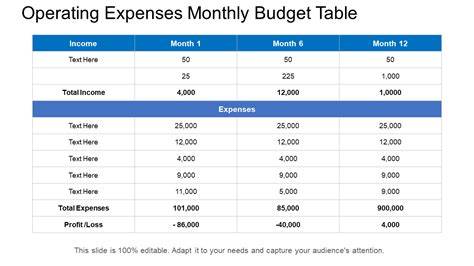
| Expense Category | Monthly Budget | Annual Budget |
|---|---|---|
| Rent | $2000 | $24000 |
| Utilities | $500 | $6000 |
| Insurance | $100 | $1200 |
| Maintenance | $200 | $2400 |
| Furniture & Equipment | $100 | $1200 |
| Cleaning Services | $150 | $1800 |
| IT & Communication | $250 | $3000 |
| Office Supplies | $50 | $600 |
| Contingency | $200 | $2400 |
Frequently Asked Questions (FAQ)
What are the most common mistakes in office space budget planning?
Underestimating costs, failing to account for contingencies, and neglecting long-term planning are common mistakes.
How can I reduce my office space budget?
Negotiate lease terms, explore flexible work arrangements, prioritize energy efficiency, and optimize your space utilization.
What software is best for office space budget management?
Spreadsheet software like Excel or Google Sheets, or project management software such as Asana or Trello, are popular options.
Conclusion
Finally, remember that effective office space budget planning is an iterative process. Regularly review and adjust your budget as needed. In short, thorough planning is essential. By following these steps, you can create a budget that supports your business goals while maintaining financial stability. Need more guidance on other business aspects? Check out our other articles on [link to other articles]!


